



Dark Mode Light Mode
The only way to survive financial capitalism is to participate directly in the market.

JEPQ(+ 주가 전망, 나스닥 100 기반 월배당 ETF 투자 전략)

목차
  1. JEPQ 이해하기 기초 및 운용 전략
  2. JEPQ의 배당금 현황 및 특징
  3. JEPQ 주가 변동 요인 및 전망
  4. JEPI와 JEPQ 비교 및 투자 시 고려사항
  5. 결론
  6. 관련 글
jepq 주가 전망

JEPQ 이해하기 기초 및 운용 전략

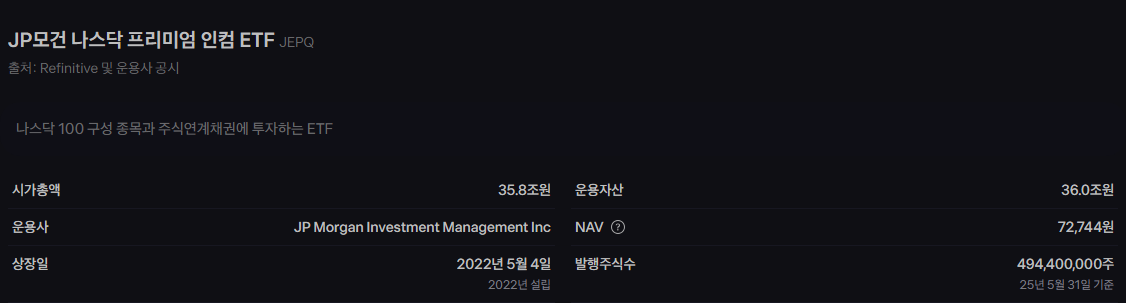
JEPQ(JPMorgan Nasdaq Equity Premium Income ETF)는 JP모건 자산운용이 운용하는 상장지수펀드(ETF)로, 2022년 5월 3일에 출시되어 비교적 역사가 짧지만 투자자들 사이에서 빠르게 주목받고 있습니다.

이 ETF의 주요 목표는 나스닥 100 지수에 포함된 대형 기술주 중심의 포트폴리오에 투자하면서, 동시에 콜옵션 매도 전략인 ‘커버드콜’을 활용하여 월별로 안정적인 배당금을 지급하는 것입니다.

jepq 주가 전망

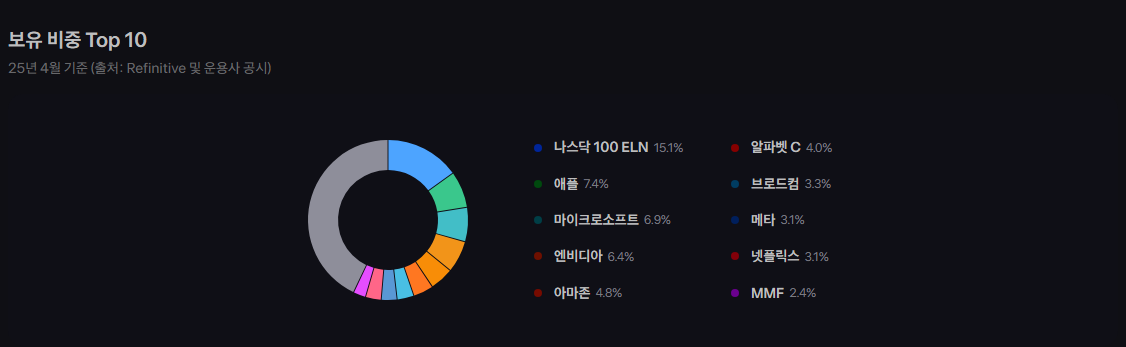
커버드콜 전략은 투자자가 주식을 보유하면서 해당 주식에 대한 콜옵션을 매도하여 프리미엄을 수취하는 방식입니다. JEPQ는 주로 나스닥 100 지수에 포함된 미국 대형주에 투자하며, 이와 함께 주식 연계 증권(ELN)을 활용하여 추가적인 수익을 창출합니다.

이 전략을 통해 주가 상승 시 이익이 제한될 수 있지만, 옵션 프리미엄을 통해 꾸준한 현금 흐름을 확보하고 전반적인 포트폴리오의 변동성을 낮추는 것을 목표로 합니다.
jepq 주가 전망
jepq 주가 전망
jepq 주가 전망

JEPQ는 기술주 중심의 나스닥 100 지수를 추종하기 때문에 기술주 상승기에 배당 수익 외에 추가적인 자본 이익, 즉 시세 차익을 얻을 잠재력이 있습니다. 이는 JEPQ가 높은 배당 수익률을 제공하면서도 성장 잠재력을 일정 부분 유지하려는 노력을 보여줍니다.

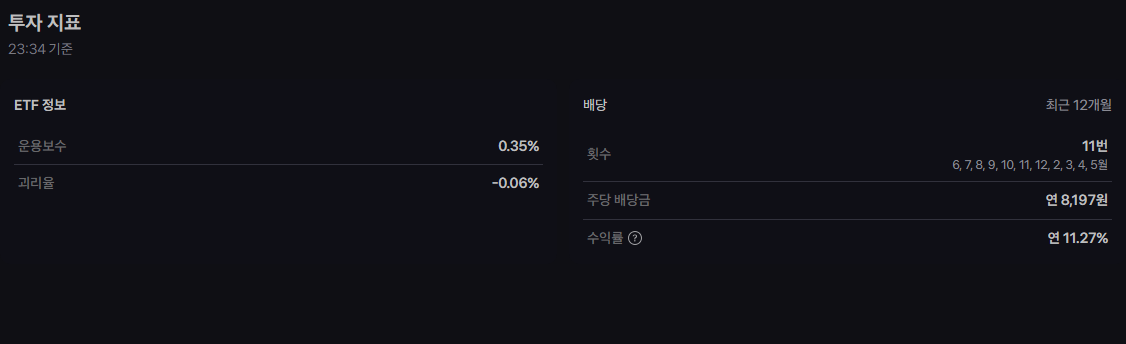
JEPQ의 운용보수는 연 0.35%로, 커버드콜 전략을 사용하는 ETF치고는 합리적인 수준이라는 평가를 받습니다.

JEPQ의 배당금 현황 및 특징

JEPQ는 월별로 배당금을 지급하는 월배당 ETF입니다. 최신 정보에 따르면 JEPQ의 현재 배당 수익률은 11.27%에 달하며, 주당 배당금은 약 0.45달러 수준입니다.

2023년에는 주당 약 5달러의 배당금을 지급했으며, 2025년 5월에는 주당 0.598달러를 지급하여 전월 대비 11% 증가한 모습을 보였습니다. 이렇게 높은 배당률은 JEPQ의 가장 큰 매력 중 하나로 꼽힙니다.

하지만 커버드콜 전략의 특성상 배당금은 시장의 변동성에 영향을 받아 매월 변동될 수 있습니다. 즉, 9%를 상회하는 높은 배당 수익률이 지속적으로 보장되지는 않을 수 있다는 점을 투자자들은 인지해야 합니다.

과거 배당액이 감소한 사례도 있었으므로, 배당 성장에 대한 지속 가능성을 면밀히 살펴보는 것이 중요합니다.

배당금은 매월 첫 번째 영업일이 배당락일이며, 일반적으로 이틀 후에 지급됩니다. 이러한 명확한 지급 일정은 투자자들이 안정적인 배당 재투자 전략을 세우는 데 도움을 줄 수 있습니다.

JEPQ 주가 변동 요인 및 전망

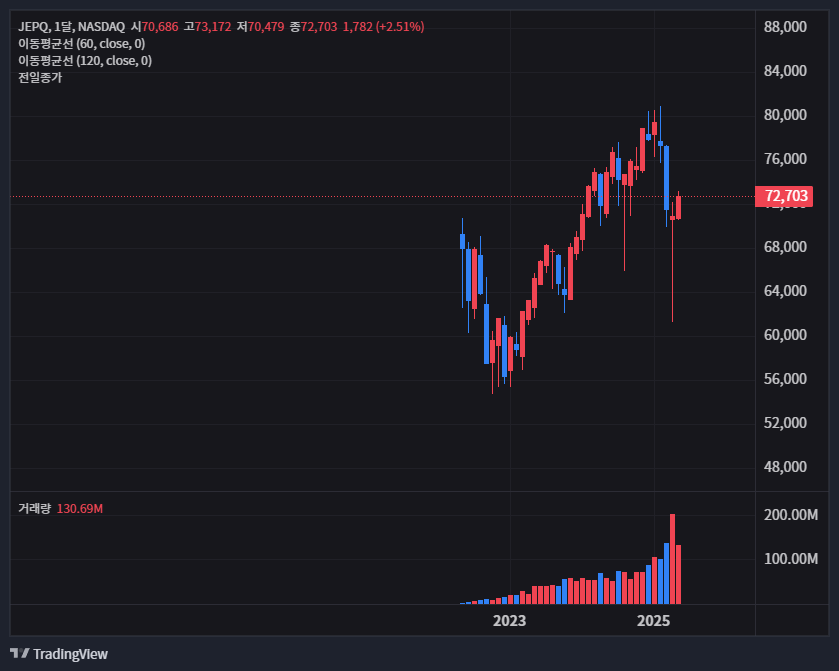
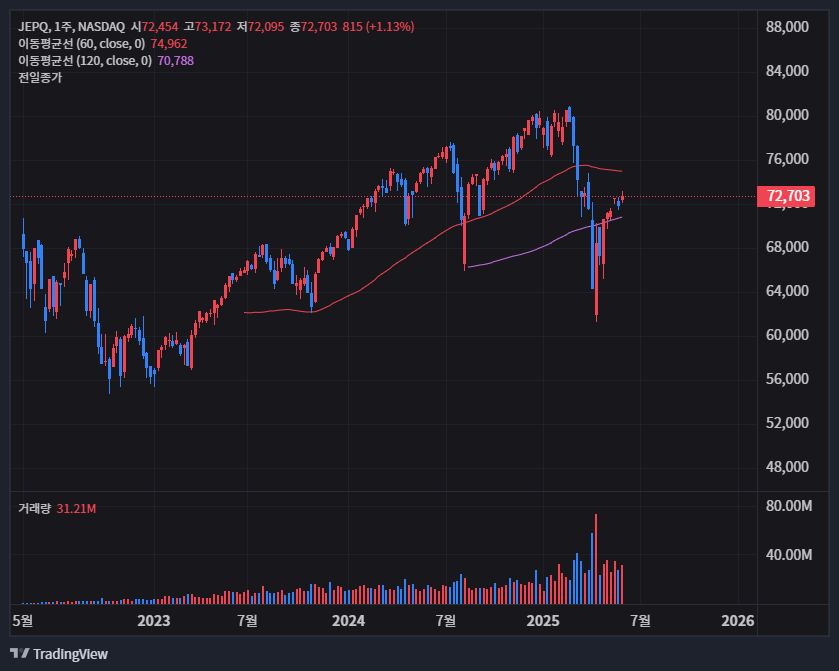
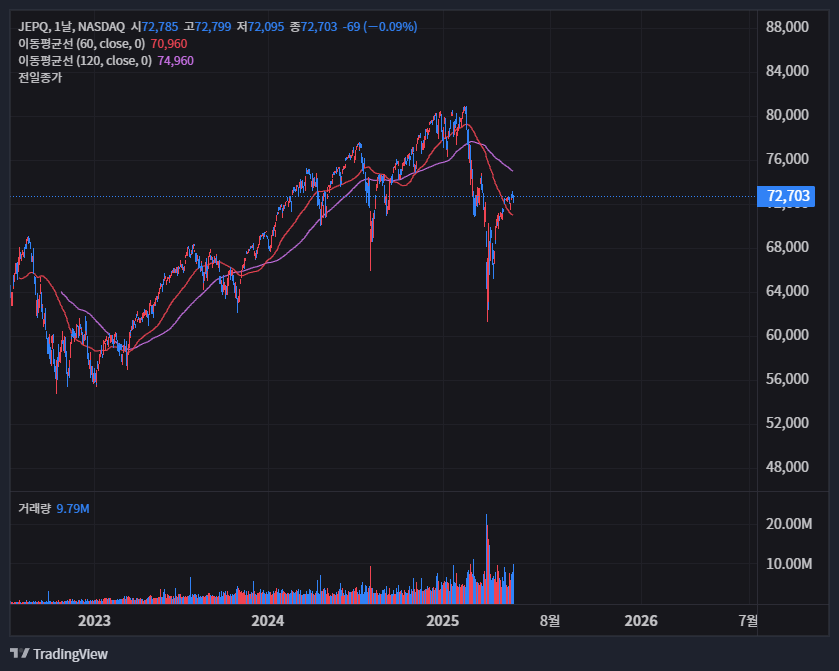
JEPQ의 주가는 나스닥 100 지수를 추종하는 만큼, 해당 지수의 움직임에 영향을 크게 받습니다. JEPQ는 2022년 5월 상장 이후 초기에는 50달러 미만에서 시작하여 2022년 4분기에 40달러 선에서 최저점을 기록한 후 현재까지 우상향하는 추세를 보이고 있습니다.

최근 1개월, 6개월, 12개월 수익률은 다소 아쉬운 모습을 보였지만, 상장 이후 총 수익률은 +4.29%를 기록했습니다.
jepq 주가 전망

JEPQ의 주가 전망은 기본적으로 나스닥 100 지수의 성장 잠재력과 밀접한 관련이 있습니다. 기술주 중심의 포트폴리오를 보유하고 있어 기술주 시장이 상승할 때는 자본 이익도 기대할 수 있습니다.

2025년까지의 주가 전망은 현재 수준에서 +10.87% 상승한 약 58.44달러에 도달할 것으로 예상됩니다.

장기적으로는 2040년까지 평균 71.98달러, 2050년까지는 평균 76.08달러에 이를 것으로 예측되기도 합니다.
jepq 주가 전망

다만, 커버드콜 전략의 구조적인 한계로 인해 JEPQ는 추종 지수(나스닥 100)의 전체 성장분을 따라가지 못할 수 있습니다.

이는 가격이 특정 가격에 도달할 때 옵션을 팔기 때문인데, 결과적으로 시세 차익을 통한 고수익을 추구하는 투자자에게는 QQQ와 같은 패시브 ETF가 더 적합할 수 있습니다. 또한, 기술주의 특성상 변동성이 크다는 점도 JEPQ의 단점으로 지적됩니다.
jepq 주가 전망

JEPI와 JEPQ 비교 및 투자 시 고려사항

JEPQ는 종종 동일한 JP모건에서 운용하는 JEPI(JPMorgan Equity Premium Income ETF)와 비교됩니다. 두 ETF는 모두 커버드콜 전략을 활용하여 월별 배당을 지급하지만, 투자 대상 지수에서 큰 차이를 보입니다.

JEPI는 S&P 500 지수를 추종하며 대형주에 투자하는 반면, JEPQ는 나스닥 100 지수를 추종하여 기술주 및 성장주 중심의 투자를 지향합니다.

이러한 차이로 인해 JEPQ는 JEPI보다 상대적으로 높은 배당 수익률을 제공할 수 있지만, 그만큼 변동성 위험이 더 크다고 평가됩니다. JEPI는 안정적인 배당과 낮은 변동성을, JEPQ는 높은 성장성과 수익률을 추구하는 경향이 있습니다.

따라서 투자자의 성향에 따라 JEPI와 JEPQ 중 어느 것이 더 적합한지, 혹은 두 ETF를 어떤 비율로 조합할지 결정하는 것이 중요합니다.

전문가들은 시장 상황에 따라 두 ETF의 비중을 조절하는 전략을 제안하기도 합니다. 시장이 부정적으로 전망될 때는 JEPI의 비중을 높여 안정성을 확보하고, 시장 상승기가 예상될 때는 JEPQ의 비중을 높여 수익률을 추구하는 방식입니다.

젊은 투자자나 성장 잠재력을 중시하는 이들에게는 JEPQ가 더 매력적인 선택이 될 수 있으며, 보수적인 투자자나 은퇴를 앞둔 이들에게는 JEPI가 더 적합할 수 있습니다.

JEPQ는 높은 배당률을 자랑하지만, 전체 자본을 투입하기보다는 포트폴리오의 일부로 활용하는 것이 현명한 전략일 수 있습니다. 특히, 커버드콜 ETF는 장기적으로 기초 자산의 성장분을 온전히 반영하지 못할 수 있으므로, 시세 차익보다는 꾸준한 현금 흐름 확보에 중점을 둔 투자자에게 더 적합합니다.

결론

JEPQ는 나스닥 100 지수를 기반으로 한 월배당 커버드콜 ETF로서, 높은 배당 수익률과 기술주 중심의 성장 잠재력을 동시에 제공합니다. 하지만 커버드콜 전략의 내재된 한계로 인해 주가 상승 잠재력이 제한될 수 있으며, 기술주의 높은 변동성으로 인한 위험 또한 존재합니다.

따라서 투자자들은 JEPQ의 장점과 단점을 충분히 이해하고, 자신의 투자 목표와 위험 감수 수준에 맞춰 신중하게 접근해야 합니다.

특히, 장기적인 관점에서 배당금의 지속 가능성과 시장 상황 변화에 따른 포트폴리오 조절의 중요성을 인지하는 것이 중요합니다.

관련 글

View Comments (1) View Comments (1)
  1. […] 구독 버튼을 누르면 개인정보 보호정책 및 이용약관를 읽고 동의하고 있는지 확인할 수 있습니다. 투자는 불확실성을 수반하는 행위입니다. 높은 수익을 얻을 수 있는 기회가 있는 반면, 투자 원금을 잃을 수도 있습니다. 투자는 투자자 본인의 판단에 따라 이루어져야 하며, 투자 결과에 대한 책임은 투자자에게 있습니다. JEPQ(+ 주가 전망, 나스닥 100 기반 월배당 ETF 투자 전략) […]

Comments are closed.

Previous Post
SVIX

VIX 선물 1배 숏 ETF 주가 전망과 심층 분석

Next Post
XDTE 주가

XDTE 주가 전망과 투자 전략 분석

Franklin — 달러 인베스트먼트 수석 에디터 프로필
Chief Editor since 2020
Franklin $100 달러 인베스트먼트

수석 에디터 · 글로벌 매크로 분석가

미국 연준(Fed) 통화정책·달러 인덱스(DXY)·나스닥·S&P500 섹터, 한국 주식 시장을 교차 분석합니다. FRED·Bloomberg·KRX 등 1차 공공 데이터를 직접 검증해 독립적인 시각으로 제공합니다.

1,800+
아티클 발행
4
커버리지 시장
매일
시장 업데이트

전문 분야

미국주식 · ETF 배당주 분석 달러 · 엔화 환율 Fed 금리정책 글로벌 매크로 코스피 · 코스닥 포트폴리오 전략 환테크 · 환차익

편집 원칙

1차 공공 데이터만을 근거로 분석 작성
특정 종목·상품 매수·매도 권유 없음
수치·출처 교차 검증 후 콘텐츠 게재
금리·환율 변동 시 콘텐츠 즉시 갱신

참고 1차 데이터

FRED (세인트루이스 연준)
Fed 공식 발표 · FOMC 의사록
BLS 고용통계국 (CPI · 실업률)
한국거래소(KRX) · 금융감독원
Bloomberg · TradingView

⚠️ 투자 위험 고지달러 인베스트먼트의 모든 콘텐츠는 정보 제공만을 목적으로 하며, 법적·금융적·세무적 조언이 아닙니다. 주식·외환 등 금융 상품 투자는 원금 손실을 초래할 수 있습니다. 당사는 자본시장법상 투자자문업체가 아닙니다. 면책고지 전문 →

DOLLAR INVESTMENT 시장을 읽는 자만이 달러를 지킨다